
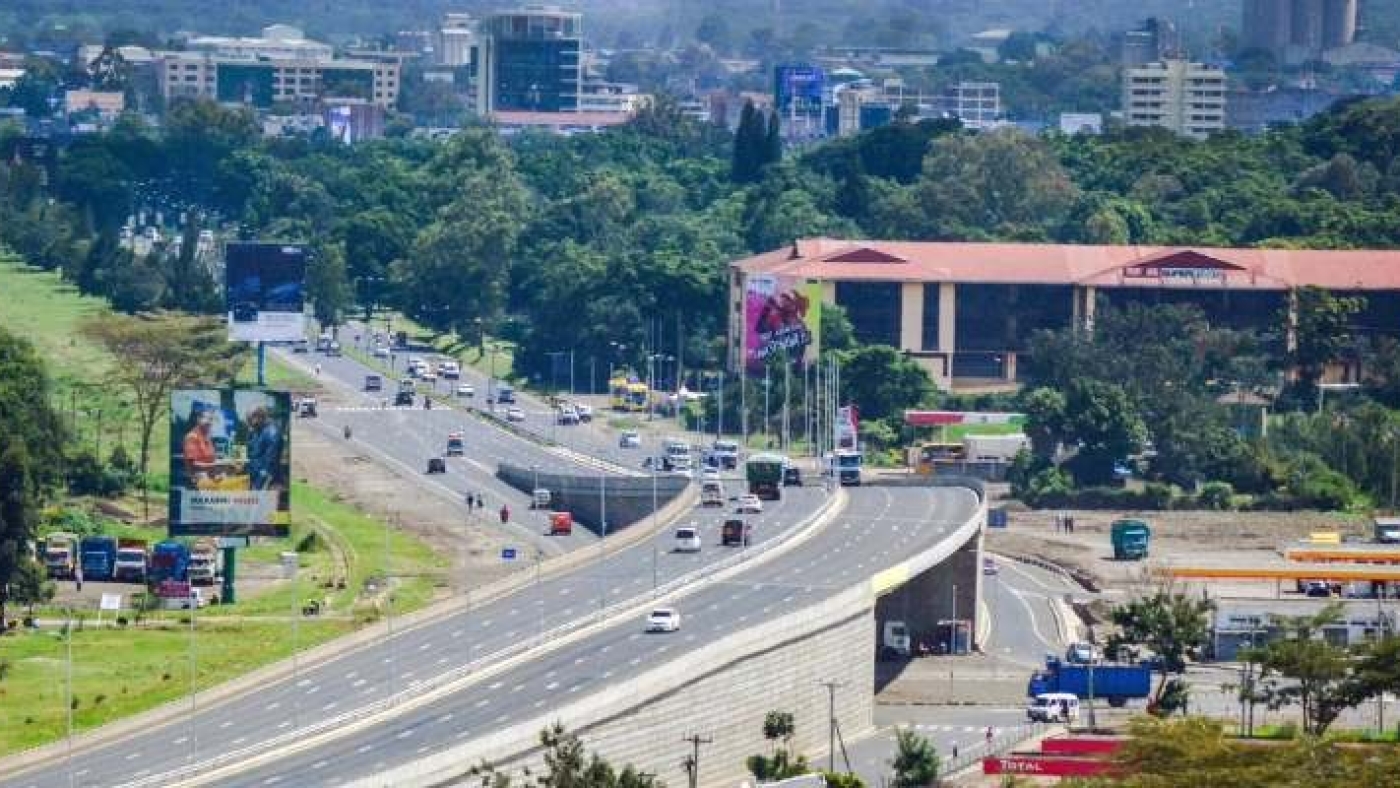
Nakuru is one of the 49 cities to join the UNESCO Creative Cities Network following their designation by UNESCO Director-General Audrey Azoulay in November 2021.
The cities in the network are recognized by UNESCO for their commitment to place culture and creativity at the heart of their development and for sharing knowledge and good practices.
Thespian Maina ‘Barbushé’ Gichohi played a leading role in the process applying for the UNESCO designation, believing in the potential of culture and the arts to transform Nakuru’s economic future.

(Nakuru by night, image by Amu Kay)
The artist shared that one of the biggest challenges they faced in pushing for the designation was demonstrating its value to the county government. The process lasted four years before the designation was conferred.
Speaking during The GoDown’s 3rd Urban Dialogue addressing Culture and Sustainable Urban Development, Barbushé, who serves as the Vice Chair of the Nakuru City Players, highlighted the different ways in which the cultural and creative sector adds value to the city. He pointed out the benefits of being included in the network such as increased branding and visibility; opportunities to engage and learn from other members of the network.

(Image: Nakuru Players Theatre Facebook Page)
He shared with GoDown Urban Dialogue participants that the impetus for pushing for the designation came from the artists themselves. Affirming The GoDown’s position that communities can identify their own challenges and to develop the solutions, Barbushé explained that the artists saw the value in the designation, pointing out a clear connection between culture, the economy, and livelihoods.
The GoDown underscores cultural diversity as an outstanding source of exchange, innovation, and creativity, with great potential to accelerate sustainable urban development.

Cultural diversity offers a unique opportunity to reconcile the economic and social aspects of development by enabling communities and creators to make a living from their work while promoting their local cultures.
The designation is of particular significance when one considers that Nakuru, like many other cities and towns around Kenya (and, indeed, Africa) emerged as a result of colonial activity and offered locals only restricted access to spaces and activities within them.
Barbushé pointed out that before independence, many of the cultural spaces in the city were strictly reserved for Europeans, effectively locking local Africans out of owning and defining them and the ways in which they were used. This included the Nakuru Players Theatre which is an important part of the city’s cultural identity today.
The doyen of theatre says that the designation further energizes the re-imagining of all the spaces in the city where everyone can participate in the arts.

(Nakuru Players Theatre under renovation in 2016. Value for the arts and culture are most directly reflected in a commitment to investing in cultural infrastructure. )
Nakuru is rich in tangible and intangible heritage, including significant discoveries of activity involving pre-historic man, and spaces such as Hyrax Hill and the Kariandusi Museum.
The GoDown hosted this 3rd Urban Dialogue as part of the activities of its Urban Division and in line with our overarching objective of “Shaping contemporary Kenyan identities by promoting, generating, documenting and disseminating endogenous narratives and knowledge”. Our organization is committed to promoting the role of culture and cultural institutions in sustainable urban development and community-centred approaches to change.