
How a community-led urban transformation project became the opening stage for Africa’s first Innovate4Cities Conference
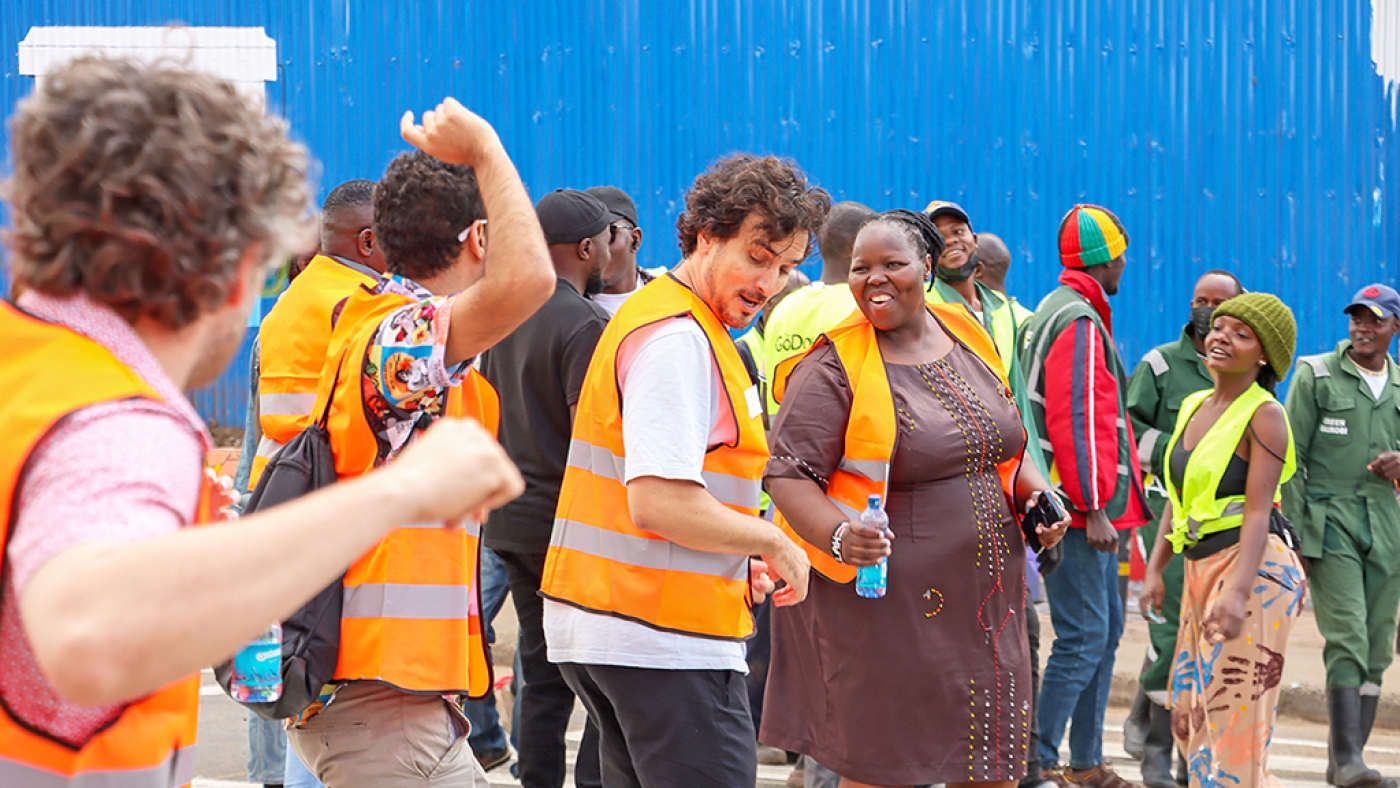
On Sunday, 21 June 2026, Dunga Road in Nairobi’s Industrial Area became a vibrant public gathering space as residents, workers, artists, city officials and international guests came together in support of an ongoing community-led effort to reimagine the street as a safer, greener and more inclusive urban corridor.
The activation formed part of the opening of the 2026 Innovate4Cities (I4C26) Conference – the first edition of the global conference to be held in Africa – but its roots lie in a much longer journey led by The GoDown Arts Centre and the Dunga Road community.
For several years, The GoDown, working alongside local businesses, residents, artists, women and girls, city agencies and development partners, has been implementing the Dunga Road Renewal Project. Through community engagement, artistic interventions and public-space improvements, the initiative has been exploring how culture can contribute to healthier, more inclusive and climate-responsive cities.
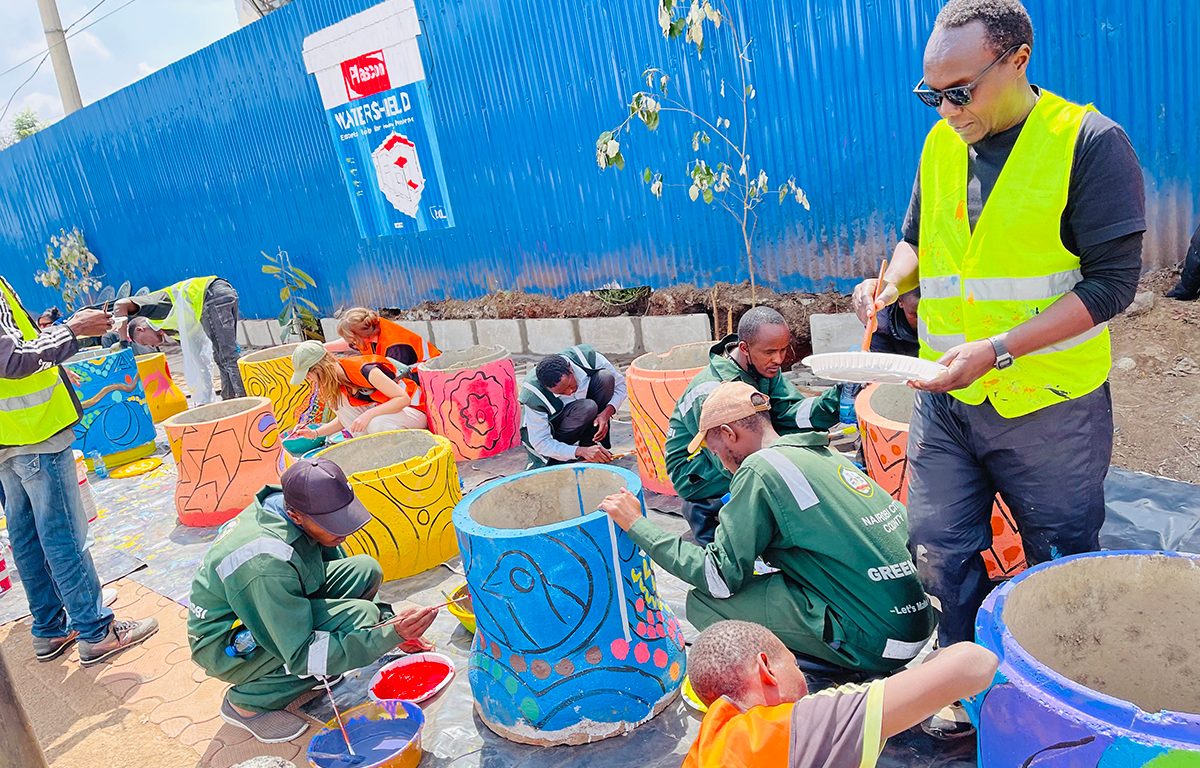
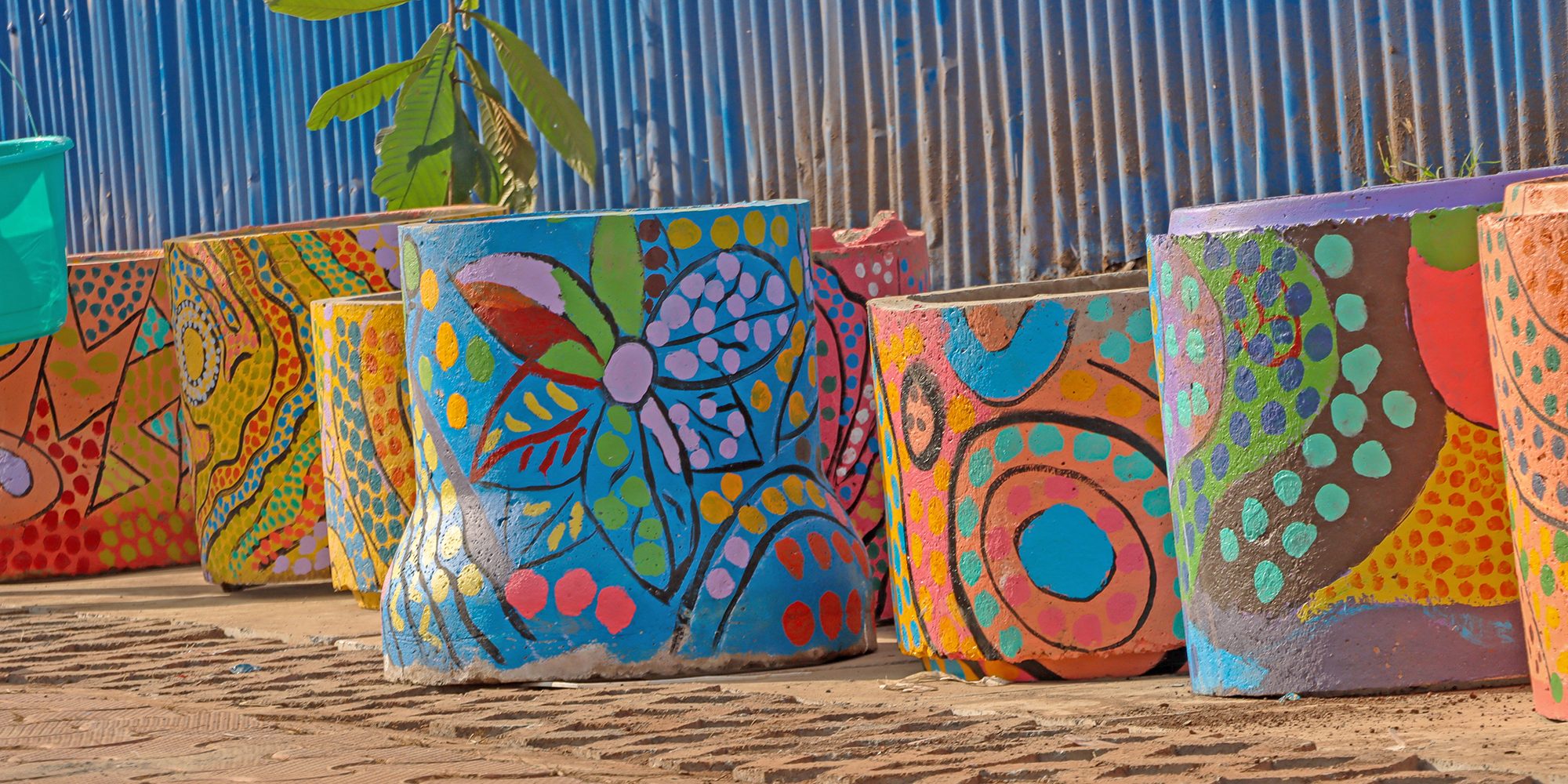
The temporary transformation of the street reflected this ongoing work. Dunga Road was closed to traffic and opened to people, creating space for murals, greenery, music, dance, conversation and community interaction. The activation demonstrated how public space can become a platform for civic participation, social connection and urban imagination.
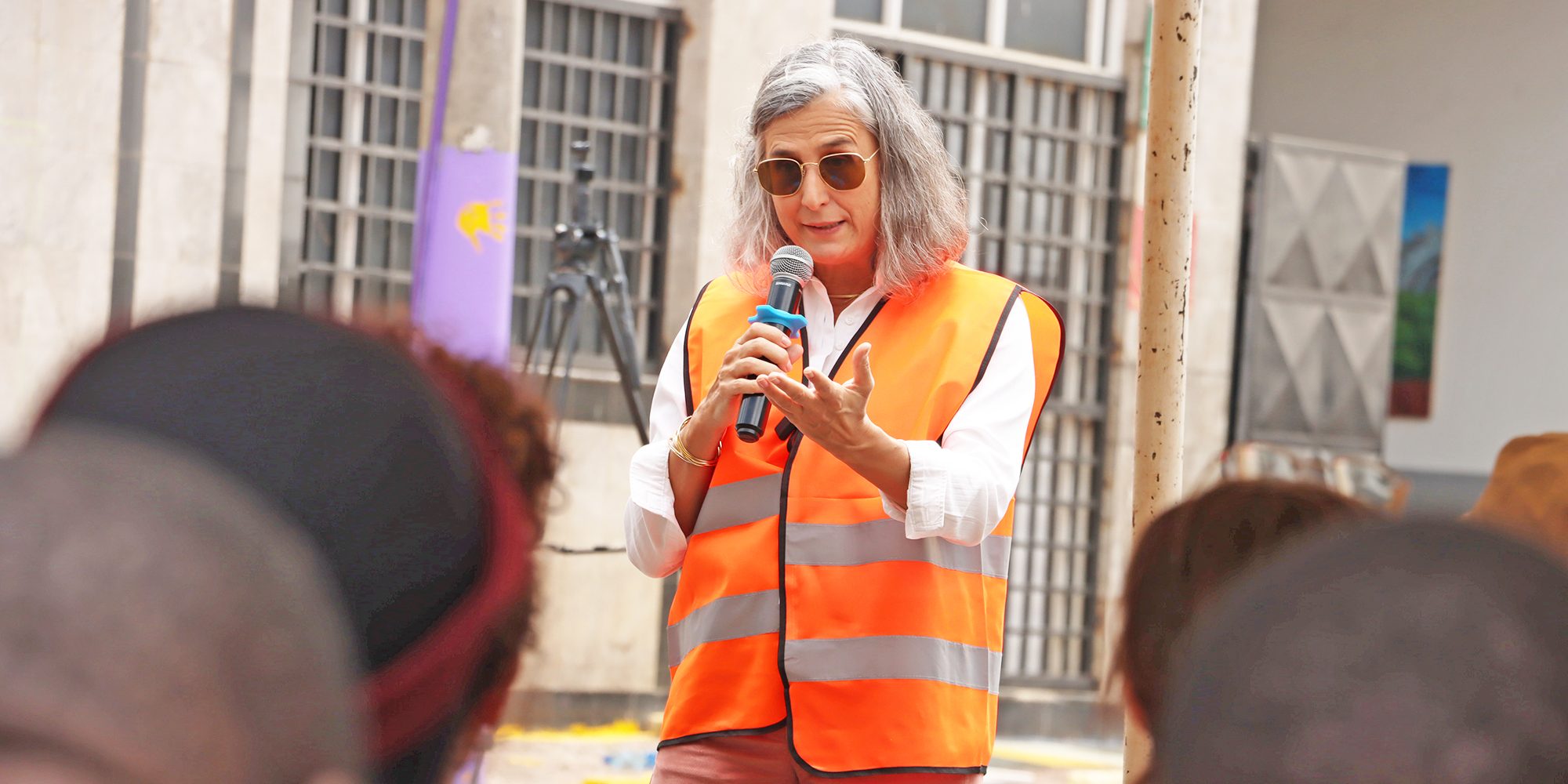
Speaking during the event, Annaclaudia Rossbach, Executive Director of UN-Habitat, described the activation as a powerful example of how institutions and communities can work together to address shared urban challenges. She noted that the initiative reflected the principles of Sustainable Development Goal 11, which calls for cities that are inclusive, safe, resilient and sustainable.
“Public spaces are an essential part of sustainable urban development. What we are witnessing here is how communities can co-create these spaces and improve the quality of life in cities,” Rossbach said.
She added that the lessons emerging from Dunga Road would continue to inform international discussions on climate action and urban development.
The activation also resonated with the broader ambitions of Innovate4Cities 2026. Andy Deacon, Managing Director of the Global Covenant of Mayors for Climate & Energy (GCoM), noted that the interventions demonstrated how collaboration, creativity and community participation can help connect people, ideas and practical climate solutions.
The presence of Nairobi City County officials and representatives from partner organisations created opportunities for direct engagement between decision-makers, artists, local stakeholders and the public, demonstrating how creative interventions can activate public spaces while contributing to wider urban development goals.
County officials noted that the initiative aligns with Governor Johnson Sakaja’s vision of building a more inclusive, vibrant and opportunity-rich Nairobi, where culture and creativity play an active role in shaping the city’s future. Chief Officer for City Culture and Arts, Zipporah Mwangi, underscored the County’s commitment to strengthening public spaces while creating opportunities for young people through the creative economy.
“This initiative reflects the County’s commitment to empowering young people through the creative industries while transforming public spaces into vibrant, inclusive environments for all,” she said.
For The GoDown Arts Centre, the activation demonstrated the potential of culture to act as a bridge between communities, institutions and urban development processes. Speaking during the event, Executive Director Joy Mboya noted that Dunga Road is part of a broader effort to explore how culture can contribute to city-making by bringing people together to reimagine and shape the spaces they inhabit.
“Dunga Road reminds us that cities are not only built through infrastructure and policy, but also through participation, imagination and the everyday experiences of the people who use them. Culture creates opportunities for communities not only to express themselves, but also to participate in shaping the future of their city and the spaces they share,” she said.
Artist Maggie Otieno, whose work formed part of the activation, reflected on the role of artists in helping communities see familiar spaces differently. She observed that artistic interventions can spark curiosity, conversation and a renewed sense of connection to place.
“When art enters public space, it invites people to stop, engage and imagine new possibilities. It creates moments of connection and reminds us that these spaces belong to all of us,” she said.
Together, these perspectives reflected the central idea underpinning the Dunga Road Renewal Project: that meaningful urban transformation emerges when communities, artists, public institutions and other stakeholders work together to shape places that are not only functional, but also inclusive, welcoming and reflective of the people who use them.